Why we ship working software every week
A big reveal at the end of a project is where budgets go to die. Here is the weekly cadence we use instead — and why it changes how a build feels.
 Mathew FanningFounder & principal engineer, Running Fox Digital
Most software goes wrong quietly. The kickoff is optimistic, the scope is agreed, and then the team disappears for eight weeks to "build it." When they resurface, the thing they built is not quite the thing anyone pictured — and now there is no budget left to fix the gap.
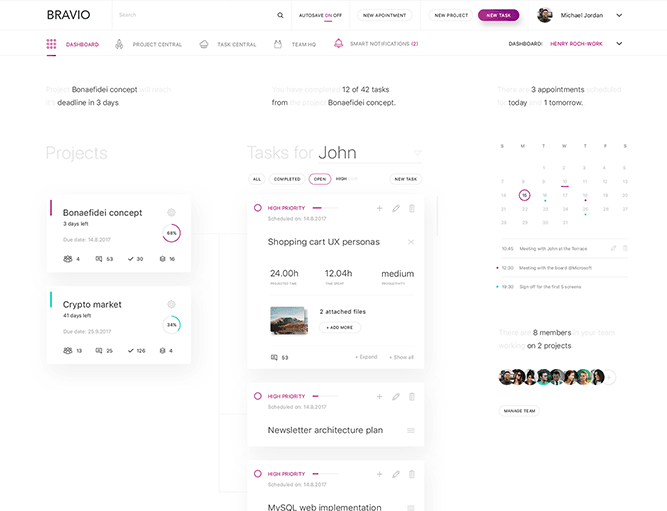
We run the opposite way. From the first week of a build, you get a real, working preview of the actual software in your hands, every single week. No slide decks standing in for progress, no trust-me status updates. If it is not something you can click, it does not count as done.
What "working software every week" actually means
The phrase gets thrown around, so here is the concrete version. Each week we ship a deployed build to a preview URL. It is real code on real infrastructure — the same stack the finished product runs on — not a throwaway prototype we will bin later.
A weekly increment usually includes:
- A deployed preview link, reachable on any device
- One or two user-visible slices finished end-to-end, not half-wired
- A short written note on what changed and what is next
- The open questions we need a decision on before the next slice
The point is not velocity theatre. It is that you feel the product taking shape, and you can course-correct while correcting is still cheap.
The most expensive moment in any build is the one where you discover — too late — that everyone pictured a different thing.
Why weekly, and not monthly
A month is long enough for a wrong assumption to calcify into a foundation. By the time you see a month's worth of work, unwinding a bad call means unwinding everything built on top of it. A week is short enough that a wrong turn costs a week, not a quarter.
There is a human reason too. Momentum you can see is momentum you trust. Watching the thing get better on a predictable rhythm is the difference between a client who is anxious and a client who is a partner.
How it works in practice
Every increment is deployed with the same pipeline that ships production, so "preview" and "live" are never two different animals. The build gate is boring on purpose — typecheck, tests, and a Lighthouse budget all have to pass before a preview goes out:
// The weekly preview and production share one deploy path — no surprises later.
export async function shipPreview(branch: string): Promise<Deploy> {
  await run('npm run typecheck');
  await run('npm run test');
  await run('npm run build'); // Lighthouse + a11y budgets gate here

  return deploy(branch, { alias: `preview-${branch}` });
}
Because the preview is the real thing, a bug you spot on Tuesday is a bug in the
product — not an artifact of some demo rig. You can drop a comment inline, we fold
it into next week's slice, and the loop closes fast. The whole rhythm rests on one
small habit: keep every increment genuinely shippable, never a work-in-progress
branch that only runs on someone's laptop.
Here is roughly how a typical build breaks down over its life:
| Phase | Cadence | What you see each week |
|---|---|---|
| Discovery | Week 1 | A scoping doc and a fixed, priced first step |
| Design | Weeks 2 to 3 | Clickable prototypes on the real design system |
| Build | Weeks 3 to 10 | A deployed preview with new working slices |
| Launch | Ongoing | The same build, promoted and monitored |
The payoff
Shipping weekly is not a scheduling trick. It is a way of removing the single biggest risk in custom software — building the wrong thing well — by making the work visible while it is still soft enough to reshape.
You end up with fewer surprises, a tighter feedback loop, and a product that matches the picture in your head because you have been steering it the whole way. That is the entire pitch: no big reveal, because every week was a small one.
Founder & principal engineer, Running Fox Digital. Running Fox Digital designs and builds the websites and software growing businesses run on — engineered end-to-end by the people who scoped them.
Got a build in mind?
Tell us what you're making. We'll tell you how we'd approach it — a clear plan and a fixed first step, no obligation.
Schedule a call